

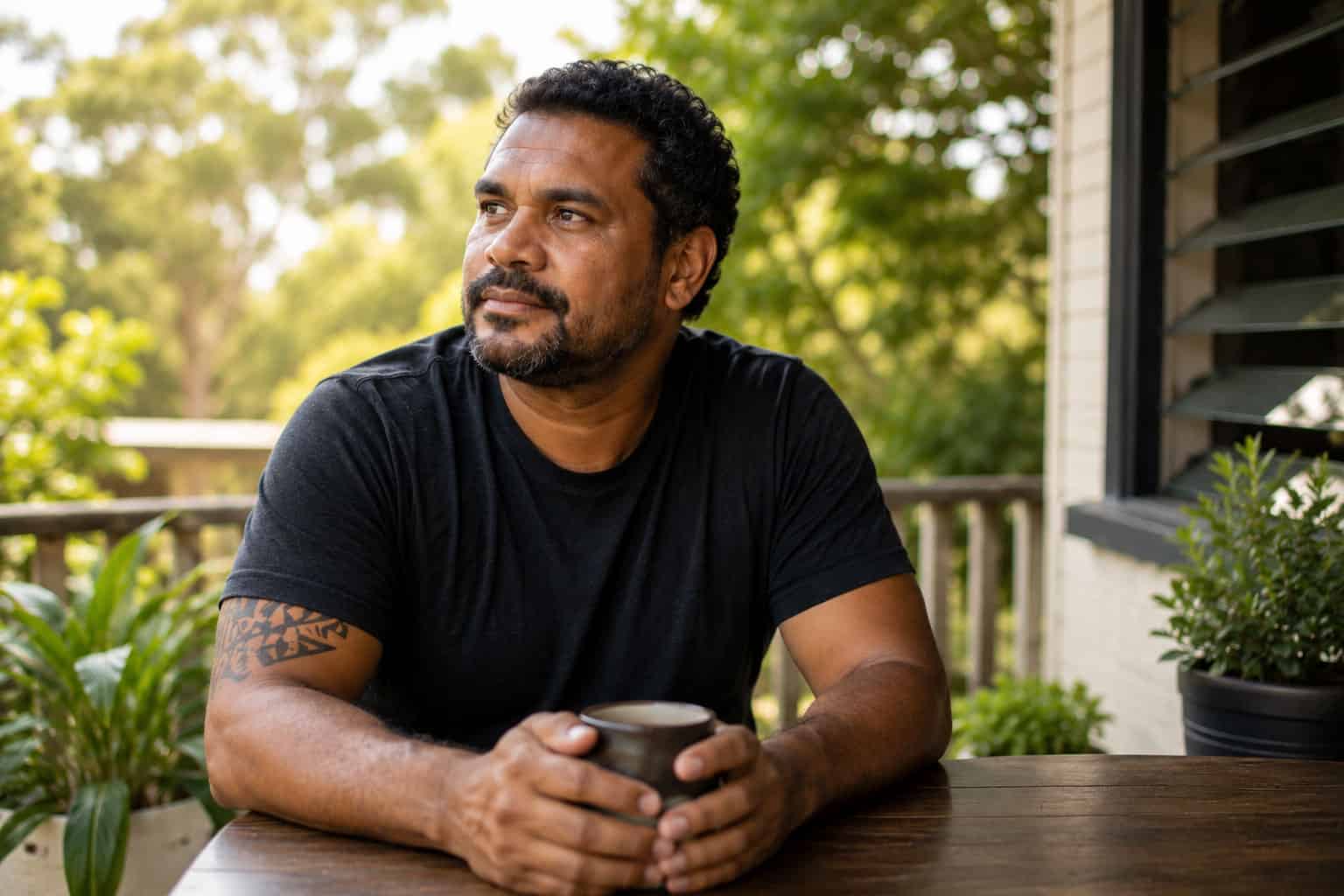
At Shire Family Medical, your local family doctors in Sutherland, Aboriginal and Torres Strait Islander patients of all ages can access a free annual 715 Health Check, a Medicare-funded assessment designed to review your health, identify risks early, and plan follow-up care that fits your needs.
Shire Family Medical, a GP medical centre at 154 Flora Street, Sutherland, provides 715 Health Assessments as part of a commitment to respectful, culturally aware care for Aboriginal and Torres Strait Islander people and families in the Sutherland Shire community. The practice acknowledges the Dharawal people (particularly the Gweagal and Norongeragal clans) as the Traditional Custodians of this Country.
This article explains what a 715 Health Check involves, who is eligible, how it is funded, and what to expect before and after the appointment.
What Is a 715 Health Check?
A 715 Health Check is a yearly Medicare-funded health assessment available to Aboriginal and Torres Strait Islander people of all ages. It provides dedicated time with your GP to review physical health, emotional wellbeing, medications, immunisations, chronic disease risk, and any concerns you want to raise.
The “715” refers to Medicare Benefits Schedule (MBS) item 715, the specific item that funds this health assessment. Because it is funded through Medicare, a 715 Health Check is available at no out-of-pocket cost at bulk-billing clinics, including at Shire Family Medical’s Aboriginal and Torres Strait Islander Health service.
A 715 Health Check is not just a routine appointment. It is an opportunity to slow down, ask questions, review your health needs, and work with your GP on a plan, both now and over time. It can be used for babies, children, teenagers, adults, and older people. The focus changes depending on your age, health history, and what matters most to you.
Most people can have a 715 Health Check every 9 to 12 months.
Who Is Eligible for a 715 Health Check?
A 715 Health Check is available to people who identify as Aboriginal and/or Torres Strait Islander. There is no age restriction: it is available from newborns through to older adults.
You can let the clinic know that you identify as Aboriginal and/or Torres Strait Islander at any time: at the time of booking or at the start of your appointment. This information is private and helps the practice offer the right care, Medicare funding, and follow-up services.
You do not need documentation to prove your identity. Self-identification is the basis for accessing the health check. If you have previously had a 715 Health Check, your GP or clinic team can check your eligibility and timing when you book.
How Is the 715 Health Check Funded?
The 715 Health Check is funded through Medicare’s MBS item 715, which means there is no out-of-pocket cost for eligible patients at bulk-billing practices.
Following the health check, your GP can also coordinate further support through Medicare if needed. Under the Medicare Benefits Schedule, a GP can arrange up to 10 subsidised allied health or specialist follow-up services for eligible patients (such as a psychologist, physiotherapist, diabetes educator, or specialist) as part of a follow-up care plan.
If you have any questions about fees or Medicare eligibility before booking, you can contact the practice directly.
What Happens During a 715 Health Check?
A 715 Health Check appointment usually takes around an hour, longer than a standard GP visit, because there is time to cover your health more broadly than a short consultation allows.
The appointment typically begins with a conversation. Your GP or practice nurse may ask about your general health, family history, medications, lifestyle, current symptoms, and any concerns you want to discuss. The check may include:
- Blood pressure measurement
- Height, weight, or waist measurements where relevant
- Review of medications and existing conditions
- Discussion of lifestyle factors: including smoking, alcohol, sleep, nutrition, and physical activity
- Review of immunisation status
- Assessment of risk for diabetes, heart disease, or kidney disease
- Hearing and vision check where appropriate
- Discussion of emotional wellbeing and social and emotional wellbeing
- Age-appropriate cancer screening reminders
- Blood tests or urine tests if clinically appropriate
- Referrals or a follow-up care plan if needed
The appointment is a conversation, not a checklist. You can ask questions at any point, bring a support person, and let the team know if there are topics you do not feel ready to discuss.
715 Health Checks for Children and Young People
A 715 Health Check is available for Aboriginal and Torres Strait Islander children and young people of all ages, including newborns and teenagers, and the focus of the check changes to suit each life stage.
For children, the appointment may review growth, development, hearing, vision, immunisations, sleep, behaviour, school concerns, nutrition, and family wellbeing. Parents and carers are encouraged to use the appointment to ask about any childhood health concerns, including common infections, allergies, rashes, feeding, or developmental questions.
If vaccines are due, overdue, or uncertain, Shire Family Medical’s Children’s Immunisations & Vaccinations service can help with scheduled vaccines, catch-up immunisation planning, and Australian Immunisation Register reporting.
715 Health Checks for Adults
For adults, a 715 Health Check can help review health risks that develop gradually and may not produce obvious symptoms until they are well established.
This may include blood pressure, cholesterol, blood sugar and diabetes risk, kidney function, heart health, weight, smoking, alcohol use, sleep, stress, and family history. Your GP may also discuss screening appropriate to your age, sex, and risk factors, such as cervical screening, bowel cancer screening, breast health, prostate symptoms, or skin checks.
Our related article on what to ask your GP at a health check explains how to prepare questions around blood tests, screening, heart health, vaccinations, and preventive care before your appointment.
Chronic Disease Prevention and Management
A 715 Health Check can be particularly useful if you are living with, or at risk of, a chronic condition, such as type 2 diabetes, heart disease, kidney disease, high blood pressure, asthma, or a long-term mental health condition.
Your GP can review how things are going, whether current treatment is working as expected, whether further tests may be helpful, and whether a formal care plan or specialist referral could support your health. Chronic disease prevention and early identification of risk are central purposes of the 715 Health Check.
Follow-up is an important part of the process. The health check is often the starting point for a plan, not the end of care.
Mental Health and Social and Emotional Wellbeing
A 715 Health Check recognises that health includes more than physical wellbeing. Social and emotional wellbeing (including connection to family, community, culture, and Country) is an important part of health for many Aboriginal and Torres Strait Islander people, and it can be discussed during the appointment.
Your GP may ask about stress, anxiety, low mood, grief, sleep, trauma, alcohol or substance use, and whether additional support would be helpful. You do not need to have the right words. Saying “I haven’t been feeling myself lately” is enough: your GP can help work out what the next step looks like.
If you would like information about follow-up mental health support, your GP can discuss options as part of your health check.
What to Bring to the Appointment
To make the most of your 715 Health Check, it helps to bring:
- Your Medicare card
- A list of current medications and any supplements
- Any recent test results or specialist letters
- Your immunisation records, if available
- Questions or symptoms you want to discuss
- Details of relevant family history, if known
- A support person, family member, or carer if you would like one present
If you do not have all of this, you can still attend. Your GP can work with whatever information is available and help organise any follow-up that is needed.
What Happens After the Health Check?
After the health check, your GP may recommend follow-up appointments, blood tests, urine tests, immunisations, screening, referrals, a medication review, or a formal care plan. Through Medicare, a GP can coordinate up to 10 subsidised follow-up services if clinically appropriate, which may include allied health providers, specialists, or Aboriginal health services.
If tests are arranged, results should be reviewed properly with your GP. Our article on how long blood test results take explains what typically happens after pathology is requested and why follow-up matters.
If referral is needed, your GP can help connect you with appropriate services and coordinate care where needed.
Privacy and Identifying as Aboriginal and/or Torres Strait Islander
Some people feel unsure about identifying as Aboriginal or Torres Strait Islander in a healthcare setting, particularly if they have had difficult past experiences or have concerns about privacy.
Your health information is confidential. Identifying at the clinic helps the team offer the correct Medicare-funded health assessment, access the right follow-up services, and support continuity of care. You are welcome to ask questions about how this information is recorded and managed at any time.
At Shire Family Medical, Aboriginal and Torres Strait Islander health care is approached with genuine respect for culture, family, community, and connection to Country. If you have any questions before booking, you can contact the practice directly.
Book a 715 Health Check at Shire Family Medical →
Frequently Asked Questions
What is a 715 Health Check?
A 715 Health Check is a yearly Medicare-funded health assessment for Aboriginal and Torres Strait Islander people of all ages. It is designed to review physical health, emotional wellbeing, medications, immunisations, and chronic disease risk, and to plan follow-up care where needed. The “715” refers to Medicare Benefits Schedule item 715, which funds the assessment at no out-of-pocket cost at bulk-billing clinics.
Who is eligible for a 715 Health Check?
A 715 Health Check is available to people who identify as Aboriginal and/or Torres Strait Islander. It is available for all ages: from newborns through to older adults. Self-identification is the basis for eligibility. You can let the clinic know at the time of booking or at your appointment, and this information is kept confidential.
How often can I have a 715 Health Check?
Eligible patients can usually have a 715 Health Check every 9 to 12 months, though this can vary depending on individual health needs and previous assessments. Your GP or clinic team can confirm your exact timing and Medicare eligibility when you book, so there is no need to calculate the interval yourself.
Is a 715 Health Check free?
Yes. A 715 Health Check is funded through Medicare’s MBS item 715 and is available at no out-of-pocket cost at bulk-billing practices. Following the check, Medicare can also cover up to 10 subsidised follow-up services through a GP-coordinated care plan, if clinically appropriate. At Shire Family Medical, you can confirm fee arrangements when booking.
What does a 715 Health Check include?
A 715 Health Check may include blood pressure measurement, review of medications and medical history, immunisation status, lifestyle discussion (smoking, alcohol, sleep, nutrition, physical activity), assessment of chronic disease risk (including diabetes, heart disease, and kidney disease), social and emotional wellbeing, and age-appropriate cancer screening reminders. Blood tests, urine tests, or referrals may also be arranged if clinically appropriate. The appointment usually takes around an hour.
Can children have a 715 Health Check?
Yes. A 715 Health Check is available for Aboriginal and Torres Strait Islander children of all ages, including newborns and teenagers. For children, the assessment may cover growth, development, hearing, vision, immunisations, sleep, behaviour, and nutrition. Parents and carers can use the appointment to discuss any childhood health concerns.
Can I bring someone with me?
Yes. You are welcome to bring a family member, friend, carer, or support person to your 715 Health Check appointment, many people find this helps them feel more comfortable discussing their health. Letting the practice know in advance is helpful for planning, but it is not required, and you can bring someone even if you decide on the day.
What is meant by “ATSI health check”?
An “ATSI health check” is a term some people use to refer to the 715 Health Check, the free annual Medicare-funded health assessment for Aboriginal and Torres Strait Islander people. “ATSI” is an acronym for Aboriginal and Torres Strait Islander. In healthcare settings, the full term “Aboriginal and Torres Strait Islander” is preferred, as the acronym can be considered reductive. The assessment itself is the same: MBS item 715, available at GP practices across Australia.
This article provides general health information only. It is not a substitute for personalised medical advice and does not create a doctor-patient relationship. Any treatment, test, procedure or vaccination mentioned is for illustrative purposes only. Suitability depends on individual circumstances and assessment by a qualified health professional. Medical information can change; always speak with your GP about your specific symptoms, health history and care options. In an emergency, call 000.
About Shire Family Medical
Shire Family Medical is an AGPAL-accredited general practice in Sutherland, providing patient-centred GP care for individuals and families at every stage of life. Led by Dr Louis Traynor and registered nurse Rebel Traynor, the practice offers a broad range of general practice services at 154 Flora Street, Sutherland — conveniently located near Sutherland Station and serving the wider Sutherland Shire community. All doctors practising at Shire Family Medical are registered medical practitioners with the Australian Health Practitioner Regulation Agency (AHPRA).
Shire Family Medical publishes general health information across preventive care, women’s and men’s health, children’s health, travel health and chronic disease management. Articles are written to help patients make informed decisions about their health in partnership with their GP.